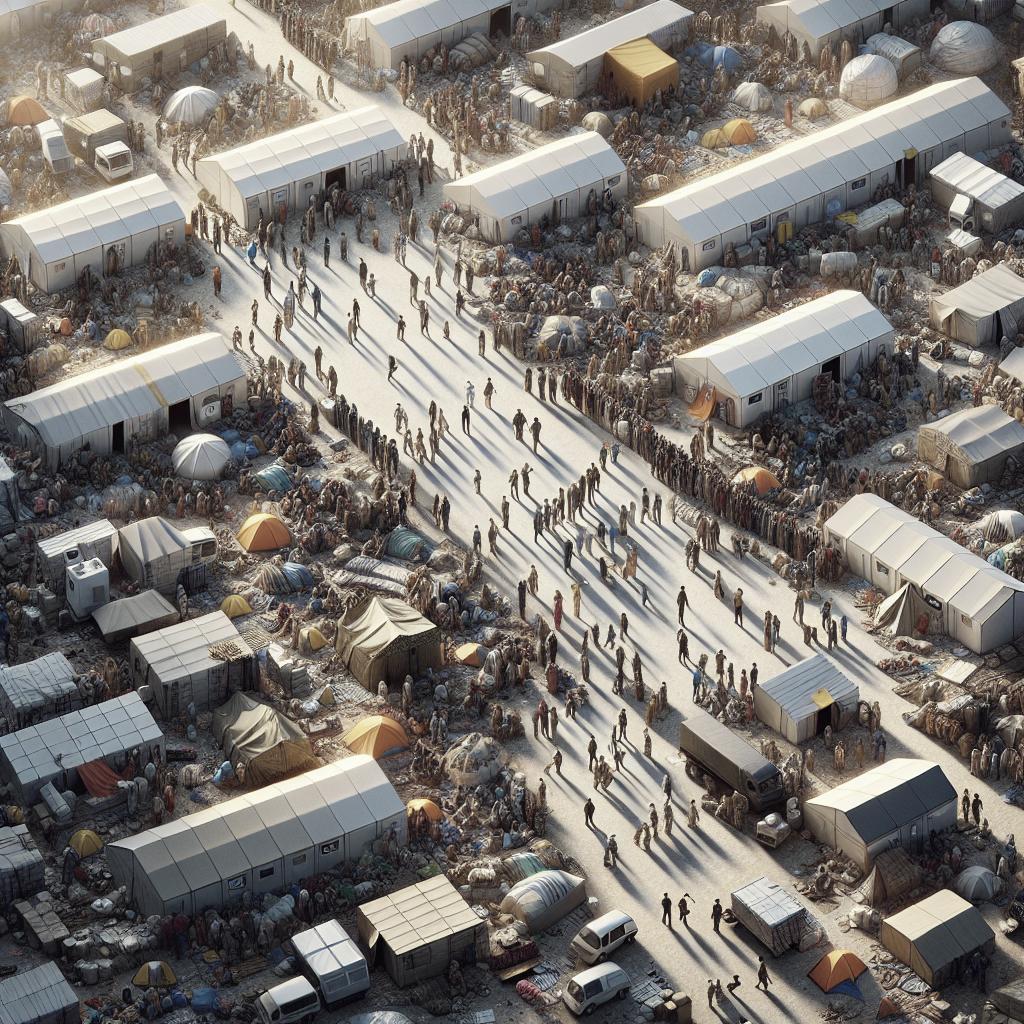
In the wake of humanitarian crises, managing shelters for displaced populations presents significant challenges. From ensuring privacy and dignity to assessing risks, a multitude of factors must be considered to ensure effective shelter management. These crises often result in mass displacement, where individuals face the loss of their homes due to natural disasters or conflict. Additionally, humanitarian organizations must grapple with the complexities of providing various types of shelters, assessing situational risks, and coordinating efforts via the Shelter Cluster. This blog post delves into these core aspects, offering a comprehensive overview of the multifaceted nature of humanitarian shelter management, along with insights into future prospects and the strategic approaches needed to tackle these challenges.
In humanitarian crises, many of those affected are forced to flee their homes, and many homes are destroyed, especially in natural disasters.
Humanitarian crises, such as conflicts and natural disasters, often result in widespread displacement, forcing millions to flee their homes. Individuals caught in these events suddenly find themselves without shelter, exposing them to further vulnerabilities. Frequently, entire communities are uprooted, leaving people without access to basic necessities like food, water, and medical care. Natural disasters, in particular, can devastate entire regions, destroying homes and infrastructure. Earthquakes, floods, and hurricanes render vast areas uninhabitable, complicating efforts to provide immediate and effective shelter. Similarly, conflicts can lead to prolonged displacement, necessitating long-term shelter solutions that are both safe and sustainable.
Ensuring Privacy and Dignity
One of the primary considerations in humanitarian shelter management is ensuring privacy and dignity for those displaced. In chaotic and overcrowded environments, maintaining personal privacy becomes a significant challenge. Overcrowded shelters and communal living spaces often lack adequate separation between families, eroding the sense of dignity and impacting mental health. Efforts to provide privacy include the use of partitioned shelters and ensuring single-family units where feasible. Moreover, gender-sensitive approaches are crucial to address the specific needs of women and girls, who may be particularly vulnerable in these settings. Implementing measures such as private sanitation facilities and separate living quarters for men and women can help ensure that the dignity and safety of all individuals are respected.
Assessing Risk
Risk assessment is a critical component of shelter management in humanitarian contexts. Identifying potential risks involves evaluating the geographic, environmental, and social factors that can impact shelter safety and longevity. For instance, setting up shelters in flood-prone areas can lead to secondary disasters, putting displaced individuals at further risk. Additionally, understanding the social dynamics and potential conflict within displaced populations is essential. Communal tensions, if not properly managed, can escalate and threaten collective safety. Risk assessments thus need to be comprehensive and ongoing, ensuring that shelters are not only safe but also adaptable to changing circumstances.
Types of Shelter
The type of shelter provided in humanitarian crises varies significantly depending on the context and needs of the population. Emergency shelters, such as tents and tarps, are often deployed in the immediate aftermath of a disaster. These provide quick but temporary relief and are meant to protect individuals from the elements while long-term solutions are developed. Transitional shelters aim to bridge the gap between emergency relief and permanent housing. They are designed to be more durable than emergency shelters, often incorporating local materials and building techniques. Permanent shelters are the ultimate goal, providing safe, secure, and durable housing that allows communities to rebuild and recover fully. These require substantial investment and planning but are critical for long-term stability and recovery.
The Shelter Cluster
The Shelter Cluster plays a pivotal role in coordinating shelter responses during humanitarian crises. This network of agencies, organizations, and stakeholders works together to ensure a cohesive and comprehensive approach to shelter management. By pooling resources and expertise, the Shelter Cluster aims to improve the efficiency and effectiveness of the shelter response. Coordination through the Shelter Cluster includes standardizing shelter designs, advocating for best practices, and ensuring that responses are culturally and contextually appropriate. This collaborative effort helps avoid overlap, minimize gaps in service, and ensure that shelter programs meet the diverse needs of displaced populations. The Shelter Cluster also focuses on capacity building within affected communities, helping them play an active role in their rehabilitation process. Training local labor, utilizing local materials, and incorporating community input are key strategies for fostering ownership and sustainability of shelter solutions.
Future Prospects
| Challenge | Details |
|---|---|
| Ensuring Privacy and Dignity | Implementing partitioned shelters and gender-sensitive facilities to respect individual needs. |
| Assessing Risk | Regular risk assessments to identify geographic, environmental, and social threats to safety. |
| Types of Shelter | Providing emergency, transitional, and permanent shelters tailored to recovery stages. |
| The Shelter Cluster | Coordinating multi-agency efforts to streamline shelter response and ensure comprehensive coverage. |
Future prospects in humanitarian shelter management hinge on continued innovation, collaborative efforts, and the integration of sustainable practices. As the frequency and intensity of humanitarian crises are projected to increase, adaptive and robust shelter solutions will become ever more critical in safeguarding the well-being of displaced populations.
Leave a Reply